KCND2 Variant: A Deep Dive into p.Pro403Ala Care
The KCND2 c.1207C>G (p.Pro403Ala) variant is a rare genetic mutation affecting the Kv4.2 potassium channel, which regulates neuronal excitability. This disruption often leads to global developmental delay, motor challenges, epilepsy, and gastrointestinal issues, requiring comprehensive multidisciplinary care and advocacy for affected families and individuals.
What is the KCND2 p.Pro403Ala Variant?
To understand the KCND2 variant , specifically the p.Pro403Ala (also written as P403A) mutation, we must first look at the blueprint of the human brain. The KCND2 gene provides instructions for making a protein called Kv4.2. This protein forms a channel that transports potassium ions out of neurons, which is a fundamental process for controlling electrical signaling in the brain.
When a variant like p.Pro403Ala occurs, the "instruction manual" is altered. In this specific case, the 403rd building block (amino acid) of the protein is changed from Proline to Alanine. This seemingly tiny change can significantly disrupt how the potassium channel opens and closes. If the channel doesn't function correctly, neurons can become "hyperexcitable," firing too often or at the wrong times. This electrical instability is the root cause of the complex neurodevelopmental symptoms seen in children like Jecole.
For many families, receiving a diagnosis of a KCND2 mutation is both a relief and a new mountain to climb. After years of searching for answers—what many call the "diagnostic odyssey"—having a name for the condition provides a starting point. However, because KCND2 variants are so rare, finding medical professionals who are familiar with the specific nuances of the Kv4.2 channel can be a challenge. That is why community-led initiatives like KCND2 STRONG are vital for sharing knowledge and support.
How Does the Kv4.2 Potassium Channel Impact the Brain?
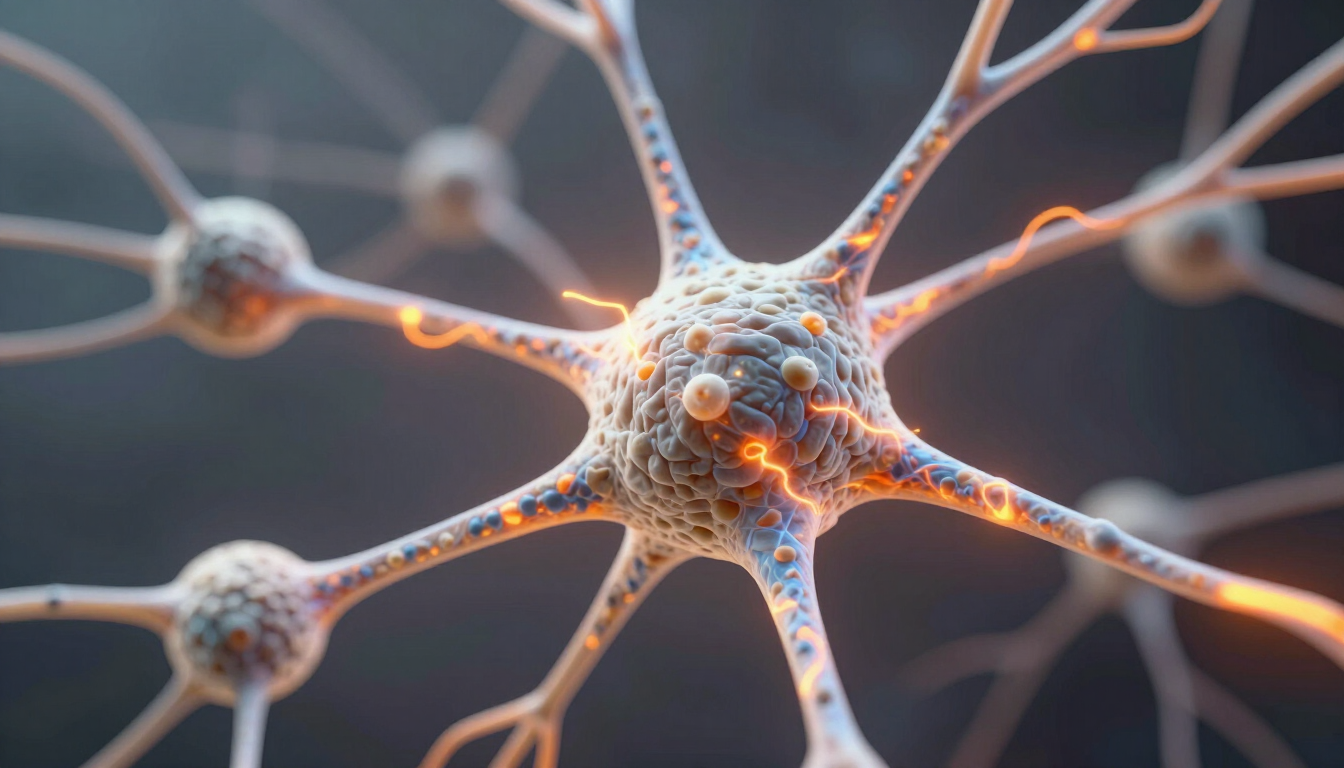
The Kv4.2 channel is primarily found in the dendrites of neurons—the parts of the cell that receive signals from other neurons. Its main job is to act as a "brake" or a regulator. By allowing potassium ions to exit the cell, it helps reset the neuron's electrical charge so it can fire again properly or stay quiet when it shouldn't be active.
When the KCND2 variant impairs this braking system, the results can be categorized in several ways:
- Neuronal Hyperexcitability: The brain is essentially "too loud" electrically, leading to seizures or sub-clinical electrical activity that interferes with learning.
- Synaptic Plasticity Issues: The brain's ability to change and adapt (essential for learning and memory) is often compromised.
- Circuit Disruption: Communication between different brain regions, such as those controlling motor skills and speech, becomes fragmented.
- Homeostatic Imbalance: The delicate balance of chemicals and electrical charges required for healthy brain function is constantly under stress.
Understanding this mechanism is crucial because it shifts the perspective from "behavioral issues" or "unexplained delays" to a fundamental biological challenge. It isn't that the child won't learn; it's that their brain's hardware is working with a signal-to-noise ratio that is incredibly difficult to navigate.
What are the Primary Symptoms of KCND2 p.Pro403Ala?
Living with a KCND2 variant involves managing a wide spectrum of symptoms that affect almost every system in the body. While every child is unique, there are common clinical features associated with the p.Pro403Ala mutation that families often report. These symptoms are not just medical checkboxes; they are daily realities that require constant monitoring and intervention.
Global Developmental Delay (GDD) and Intellectual Disability
Most individuals with this variant experience significant delays in reaching developmental milestones. This includes sitting up, crawling, walking, and cognitive processing. The path to progress is often non-linear, with periods of plateau followed by slow, hard-won gains.
Motor and Speech Challenges
Motor planning (apraxia) is a hallmark of the KCND2 experience. The brain struggles to tell the muscles exactly how to move in a coordinated way. This leads to:
- Non-verbal or limited verbal communication: Many children use AAC (Augmentative and Alternative Communication) devices to express themselves.
- Hypotonia (Low Muscle Tone): This makes maintaining posture and balance exhausting for the child.
- Fine Motor Struggles: Tasks like holding a spoon or grasping a toy require immense effort and repetition.
Gastrointestinal and Autonomic Issues
The nervous system doesn't just control our thoughts; it controls our digestion. Many KCND2 families deal with chronic GI issues, including severe constipation, reflux, and dysmotility. These aren't just "tummy aches"; they are systemic failures of the gut-brain axis that can lead to pain, poor sleep, and nutritional challenges.
Vision and Orthopedic Concerns
Vision is often affected, sometimes through Cortical Visual Impairment (CVI), where the eyes are healthy but the brain struggles to process what it sees. Additionally, because of low muscle tone and movement challenges, orthopedic issues like scoliosis are common. Monitoring spinal alignment becomes a permanent part of the healthcare routine as children grow.
Clinical Manifestations of the KCND2 Mutation
Beyond the primary symptoms, there are secondary manifestations that require a multidisciplinary medical team. When you are 16 years into this journey, like Jecole’s family, you realize that the KCND2 variant is not a static condition; it evolves as the child enters puberty and adulthood. Coordination between neurology, gastroenterology, orthopedics, and physical therapy is essential.
One of the most difficult aspects of clinical management is the unpredictability of seizures. For some, they are overt and grand mal; for others, they are subtle absences that simply look like a lack of focus. Regardless of the type, the underlying electrical instability caused by the Kv4.2 dysfunction means that families must always be prepared for neurological shifts.
Navigating 16 Years of Complex Care
When you first receive a diagnosis of a rare disorder, you are often told what your child won't do. But 16 years of navigating complex care for Jecole has taught us that the medical textbooks only tell half the story. The other half is written in the resilience of the child and the unwavering dedication of the family. The KCND2 variant creates a life that is complex, yes, but also filled with profound moments of connection.
Managing this journey requires a shift in mindset. You become a nurse, a physical therapist, a legal advocate, and a scientist all at once. You learn to read the subtle shift in your child's eyes that signals a looming GI issue or a seizure. You learn to celebrate the "inch-stones" just as much as others celebrate milestones. This level of care is physically and emotionally taxing, and it is the primary reason why KCND2 STRONG focuses so heavily on empowering the family unit.
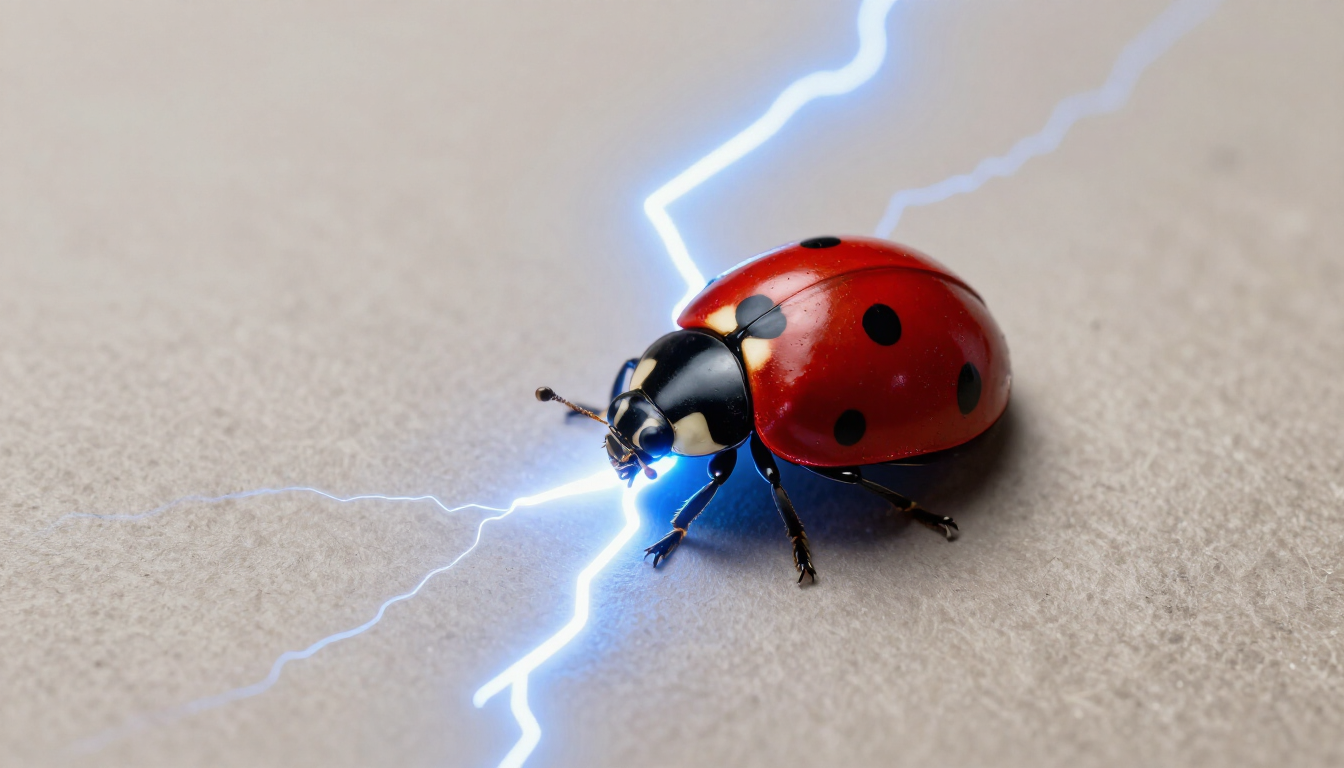
Isolation is perhaps the greatest enemy of the rare disease parent. When your child’s condition is so rare that even your local doctors have to Google it, the world can feel very small. However, there is a unique strength found in this journey. We call it the "Lightning and the Ladybug." The lightning represents the raw, unpredictable power of the brain's electrical signals and the strength required to endure it. The ladybug represents protection, resilience, and the hope that follows even the most difficult storms.
Why is Community Essential for Rare Disease Families?
No family should have to navigate a KCND2 variant diagnosis alone. Community serves three critical functions for those in the rare disease space:
- Shared Knowledge: Parents are often the foremost experts on their child's specific mutation. Connecting with others allows for the exchange of "life hacks" regarding equipment, therapies, and medications.
- Emotional Safety: Having a space where you don't have to explain why your 16-year-old uses a stroller or why you're celebrating a single word is healing.
- Collective Advocacy: A single family might be ignored by a researcher or a pharmaceutical company, but a united community cannot be overlooked.
Our mission at KCND2 STRONG is to ensure that the 16 years of experience we have gained isn't kept in a vacuum. We use that knowledge to light the way for the families coming behind us, providing them with the warmth and hope that was so hard to find when we first started.

Advocacy Through Awareness and Apparel
How do you start a conversation about a complex potassium channelopathy? Sometimes, it starts with a t-shirt. Advocacy isn't always about speaking at a medical conference; it's about making the invisible visible in our everyday lives. When we wear apparel that sparks a question—"What does KCND2 mean?"—we are opening a door to education and empathy.
Advocacy through KCND2 STRONG serves to:
- Humanize the Diagnosis: We are more than a string of genetic code like c.1207C>G; we are families with stories, laughter, and a place in the world.
- Fundraise for Research: Rare disease research is notoriously underfunded. Community-driven efforts are often the spark that ignites interest in new clinical trials.
- Build Confidence: For siblings and parents, wearing their support can be an empowering act of solidarity.
Summary of Key Takeaways
To wrap up, understanding the KCND2 variant (p.Pro403Ala) is a journey of both science and soul. Whether you are a parent of a newly diagnosed toddler or an advocate for an adult, remember these core truths:
- The mutation is biological: The Kv4.2 channel disruption is a physical challenge, not a failure of the child or the parent.
- Care is holistic: Managing GI, vision, and motor issues is just as important as managing neurology.
- Resilience is built: 16 years of care proves that families can find joy and strength in the midst of complex medical needs.
- You are not alone: Finding a community like KCND2 STRONG is the best way to move from isolation to empowerment.
As we look toward the future, we carry the lightning of our children’s strength and the ladybug of our community’s protection. Together, we are building a world where every individual with a KCND2 variant is seen, supported, and celebrated for the incredible hurdles they overcome every single day.
Recent Posts