Rare Disease Awareness: 5 Ways Your Support Saves Lives
Rare disease awareness is critical because it accelerates diagnosis, fuels medical research, and builds supportive communities for the 300 million people globally living with rare conditions. By increasing visibility, we drive funding and policy changes that provide life-saving treatments and essential resources to underserved patient populations worldwide.
What is the significance of rare disease awareness?
Rare disease awareness serves as the cornerstone for societal change. While a single rare disease might affect fewer than 1 in 2,000 people, the collective impact is staggering. There are over 7,000 known rare diseases, meaning that approximately 1 in 10 people is living with one. Awareness is the first step toward dismantling the isolation many families feel. When the public understands the prevalence and challenges of these conditions, it shifts the narrative from "obscure" to "urgent."
Significance is also found in the educational ripple effect. When we talk about rare conditions, we educate future doctors, researchers, and policymakers. Many rare diseases are genetic and chronic, often beginning in childhood. Without awareness, these patients remain invisible to the systems designed to protect them. Awareness campaigns, like those championed by KCND2 STRONG , ensure that these voices are heard in the halls of government and the boardrooms of pharmaceutical companies. It is about creating a world where no one is left behind simply because their condition doesn't have a household name.

Why rare disease awareness matters for diagnosis speed
The journey to a diagnosis for a rare disease patient is often called a "diagnostic odyssey." On average, it takes five to seven years for a patient to receive an accurate diagnosis. During this time, patients may see multiple specialists, undergo invasive tests, and receive incorrect treatments. Awareness matters because it shortens this timeline. When primary care physicians and specialists are more aware of the signs of rare conditions, they are more likely to order the correct genetic tests sooner.
Early diagnosis is more than just a label; it is a lifeline. For many conditions, including various neurodevelopmental disorders, early intervention can significantly improve long-term outcomes. Physical therapy, occupational therapy, and targeted medical management are most effective when started as early as possible. By championing rare disease awareness, we advocate for better diagnostic protocols and increased access to newborn screening, which can catch conditions before symptoms even manifest. This speed in diagnosis reduces the emotional and financial strain on families and gives children a better chance at a higher quality of life.
How does visibility impact medical funding and research?
Medical research is a resource-intensive endeavor, and historically, rare diseases have received less funding than more common ailments. This is often due to the perceived "market size" for new treatments. However, rare disease awareness changes the economic equation. Increased visibility leads to legislative victories like the Orphan Drug Act, which provides incentives for companies to develop treatments for small patient populations.
Furthermore, awareness drives private donations and community-led fundraising. When a condition gains visibility, it attracts the attention of philanthropic organizations and university researchers. Visibility also facilitates the creation of patient registries. These registries are goldmines for researchers, as they provide the longitudinal data necessary to understand how a disease progresses. Without a critical mass of awareness, these registries remain empty, and research stalls. By speaking up, we turn the spotlight onto these conditions, proving that there is a dedicated community ready to support and participate in clinical trials that could lead to breakthroughs for everyone.
The Role of Genetic Testing in Rare Conditions
At the heart of modern rare disease discovery is genetic testing. Technologies like Whole Exome Sequencing (WES) and Whole Genome Sequencing (WGS) have revolutionized our ability to identify the root causes of mysterious symptoms. For many families, these tests provide the first definitive answer after years of searching. Understanding the genetic blueprint of a condition allows for precision medicine—treatments tailored to the specific genetic mutation a patient carries. This is the future of healthcare, and it is being pioneered in the rare disease space.
To learn more about our mission and the families we support, visit our About Us page. Genetic testing is not just a scientific tool; it is an empowering resource that shifts the focus from managing symptoms to understanding the underlying biology. As awareness grows, the cost of these tests decreases, and insurance coverage improves, making them more accessible to families who need them most. We are moving toward a standard of care where genetic insight is a primary step, not a last resort.
What makes the KCND2 community unique?
The KCND2 community is a powerful example of how specific rare disease awareness can transform lives. KCND2 variants are associated with a range of neurological conditions, including certain types of epilepsy and neurodevelopmental delays. What makes this community unique is the deep bond shared by families navigating a path that is still being mapped by science. There is a profound sense of resilience here—a refusal to let a rare diagnosis define a child’s entire worth.
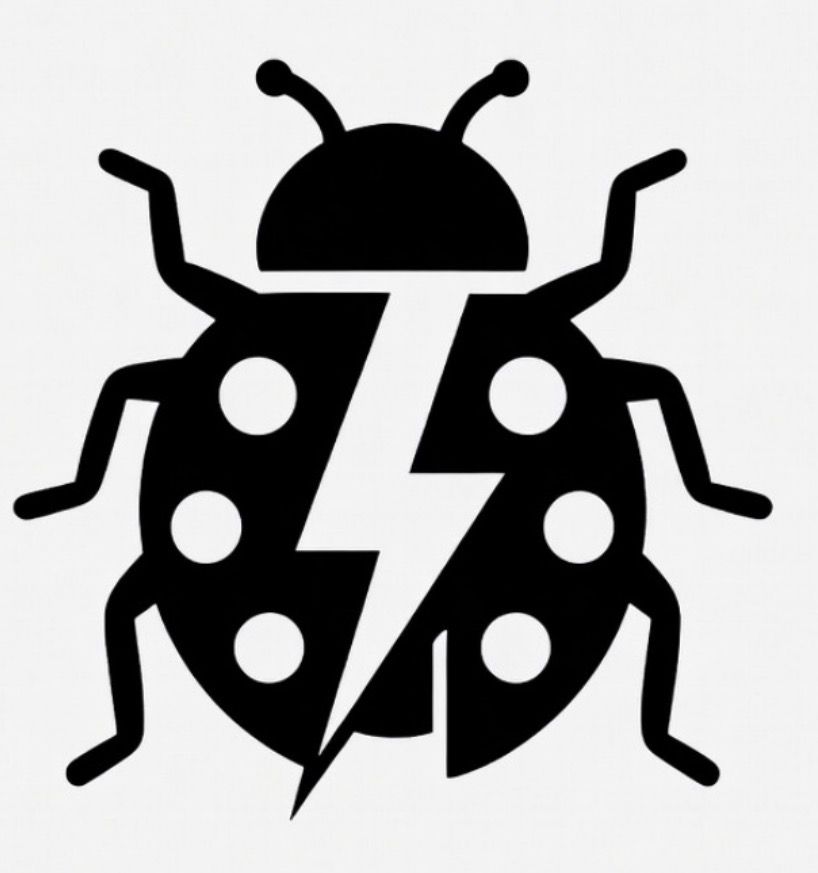
At KCND2 STRONG, we use the symbolism of the ladybug and the lightning bolt. The ladybug represents protection and the delicate beauty of our children, while the lightning bolt represents the sudden, powerful challenges they face, as well as their inner strength. This branding isn't just for aesthetics; it is a visual language that helps families identify one another. In the rare disease world, finding another person who "gets it" is a monumental moment. It breaks the silence of a rare diagnosis and replaces it with the roar of a collective community. We are more than just a support group; we are a hub of advocacy and hope, working to ensure every KCND2 family has the resources they need to thrive.

The Emotional Resonance of a Rare Diagnosis
Receiving a rare diagnosis is often a traumatic event. It can feel like the world has suddenly become much smaller and more frightening. Awareness matters because it builds a bridge back to society. When people understand what a family is going through, they can offer better support—whether that’s through workplace accommodations, school support, or simply a listening ear. Empathy is built on understanding, and awareness is the tool we use to build that understanding.
Families often report feeling like they are grieving the life they imagined while simultaneously fighting for the life their child has. This emotional journey is complex and ongoing. On our Home page , you can see how we prioritize warmth and hope in everything we do. By fostering an environment where emotional health is valued as much as physical health, we help families move from a state of crisis to a state of empowerment. Awareness helps the general public realize that behind every statistic is a human story of courage and love.
Sparking Conversations with Purposeful Apparel
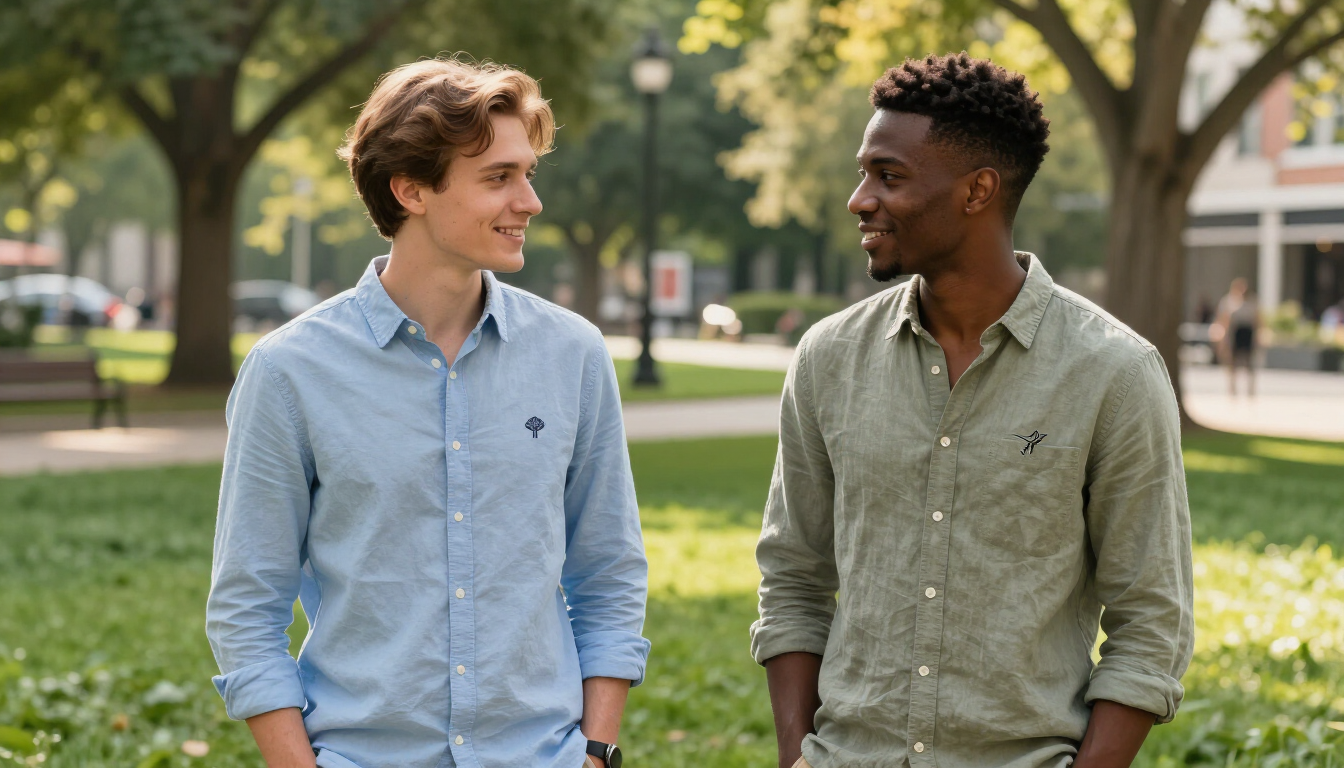
One of the most effective ways to spread rare disease awareness is through everyday interactions. Purposeful apparel acts as a "walking billboard" for advocacy. When someone wears a shirt with a unique logo or a powerful message, it invites questions. It provides an opening to say, "Let me tell you about KCND2," or "This is why rare disease research matters." These small, organic conversations are often more impactful than traditional advertising because they are rooted in personal connection.
Our apparel is designed to be more than just clothing; it is a tool for empowerment. It allows families and supporters to wear their strength on their sleeves—literally. In a world that often looks away from disability and illness, choosing to be visible is a radical act of advocacy. Every time a conversation is sparked, a seed of awareness is planted. Over time, these seeds grow into a forest of support that can weather any storm.
How can you become an effective rare disease advocate?
You don't need a medical degree or a political platform to make a difference. Advocacy starts with the willingness to speak up and the commitment to stay informed. Here are five practical ways you can help move the needle for the rare disease community:
- Share stories on social media to humanize the data and reach new audiences.
- Support organizations that fund specialized research and family support services.
- Contact your local representatives to advocate for policies that improve healthcare access.
- Wear awareness apparel to spark meaningful conversations in your daily life.
- Educate yourself and others about the challenges faced by the 1 in 10 living with rare conditions.
Taking Action for a Brighter Future
The future of the rare disease community is bright, but it requires our continued effort. As technology advances and global connectivity grows, we have an unprecedented opportunity to unite for change. We are no longer limited by geography; a family in a small town can connect with a researcher across the globe. This interconnectedness is the engine of progress. By staying active in the community, you are helping to build a world where a rare diagnosis is met with immediate support, clear information, and effective treatment options.
If you are looking for more ways to get involved or want to read more about the impact of our work, please explore our Blog for more stories. If you need direct support or have questions about our community, don't hesitate to Contact us . Together, we can transform the landscape of rare disease care. Every action, no matter how small, contributes to the collective strength of our movement. We are KCND2 STRONG, and with your help, we are unstoppable.
Conclusion and Key Takeaways
Rare disease awareness is the catalyst for every major breakthrough in the field, from faster diagnostic tools to life-saving gene therapies. By raising our collective voice, we reduce the time patients spend in the "diagnostic odyssey," increase funding for vital research, and provide an emotional safety net for families. Awareness bridges the gap between scientific possibility and patient reality, ensuring that the 300 million people living with rare conditions are never forgotten.
- Awareness significantly reduces the average 5-7 year diagnosis timeline.
- Visibility drives legislative changes and increases medical research funding.
- Purposeful apparel and storytelling are powerful tools for grassroots advocacy.
- Community support is essential for the emotional well-being of affected families.
- Early intervention, fueled by awareness, leads to better long-term health outcomes.
Recent Posts