What Is KCND2? A Beginner's Guide for Families
KCND2 is a gene responsible for creating instructions to build specific potassium channels in the brain. These channels act as 'gates' that control the flow of electrical signals between neurons. When a variant or mutation occurs in this gene, it disrupts brain activity, often leading to epilepsy, developmental delays, and movement disorders.
How does the KCND2 gene work in the brain?
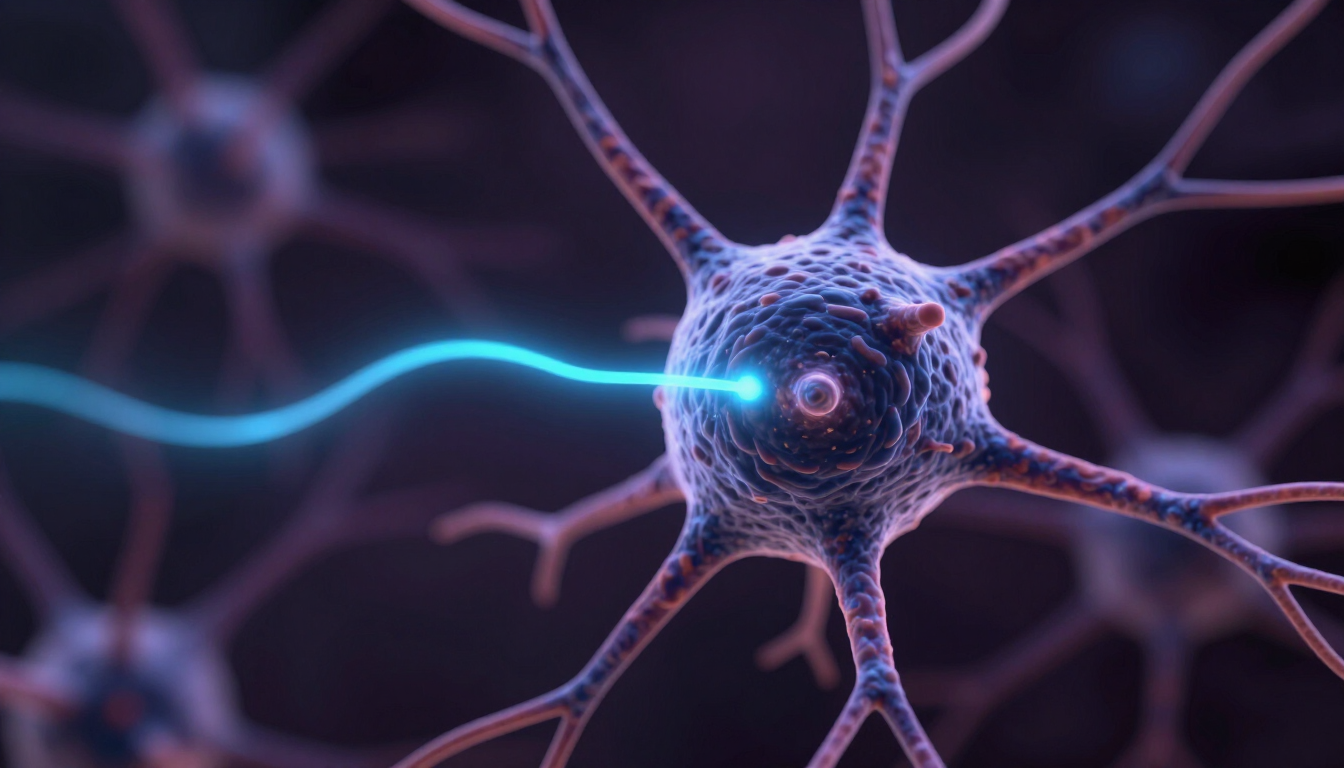
To understand the answer to the question, "What is KCND2?", we first have to look at how our brains communicate. Imagine your brain is a massive electrical grid. For a lightbulb to turn on or a muscle to move, electricity has to flow through wires. In the human body, these wires are our neurons. To keep the electricity moving smoothly, the neurons use 'channels' to let minerals like potassium in and out.
The KCND2 gene provides the blueprint for the Kv4.2 potassium channel. Think of this channel as a high-tech regulator that controls the speed and intensity of electrical impulses. When the KCND2 gene is functioning correctly, the brain’s electrical signals are balanced. However, when there is a change—called a variant—the 'gate' might stay open too long or close too quickly. This imbalance can cause the brain to become over-excited (leading to seizures) or under-responsive (leading to developmental delays).
Because this gene is primarily active in the hippocampus and cortex—areas responsible for learning, memory, and motor control—the effects of a variant are often seen in a child’s ability to reach milestones, speak, or move with coordination. Understanding this biological foundation is the first step for families navigating this rare disease journey.

What are the most common symptoms of KCND2 variants?
Symptoms of KCND2 can vary significantly from one person to another, even among those with the same specific variant. This is part of what makes rare diseases so challenging to manage. However, clinicians and researchers have identified a cluster of symptoms that frequently appear in pediatric cases.
If you are a parent observing your child, you might notice:
- Early-onset Seizures: Many children experience epilepsy that begins in infancy or early childhood, which may be resistant to standard medications.
- Developmental Delay: A lag in reaching milestones like sitting up, crawling, walking, or speaking is common.
- Intellectual Disability: Challenges with cognitive processing, learning, and memory are frequently reported.
- Movement Issues: Children may exhibit hypotonia (low muscle tone) or ataxia (problems with balance and coordination).
- Autistic Features: Sensory sensitivities and social communication challenges are often part of the clinical picture.
It is important to remember that these symptoms exist on a spectrum. Some children may have mild delays, while others may require significant lifelong support. At KCND2 STRONG , we believe that knowing these symptoms isn't just about diagnosis—it's about finding the right interventions as early as possible.
How is KCND2 diagnosed in children?
For many families, the road to a diagnosis is long and winding. Because KCND2-related conditions are so rare, they are seldom picked up by routine blood tests or standard physical exams. Instead, the diagnosis is typically confirmed through advanced genetic testing, such as Whole Exome Sequencing (WES) or Whole Genome Sequencing (WGS).
Genetic testing looks at the 'spelling' of your child’s DNA. If the lab finds a change in the KCND2 gene that is known to cause health issues, the diagnosis is confirmed. For many parents, receiving this result is a bittersweet moment. It provides an answer to the 'why,' but it also opens a new chapter of uncertainty.
Once a diagnosis is made, doctors may use an EEG (electroencephalogram) to monitor brain activity and an MRI to look at the structure of the brain. While the genetic code itself cannot currently be changed, knowing the specific variant helps doctors tailor treatments. If you are just starting this process, you can learn more about our mission on our About Us page, where we discuss the importance of early detection and advocacy.
Gain-of-function vs. loss-of-function variants
In the world of genetics, not all mutations are the same. Scientists often categorize KCND2 variants into two main types: Gain-of-Function (GoF) and Loss-of-Function (LoF). This distinction is vital because it determines how the potassium channels are misbehaving.
In a Gain-of-Function variant, the potassium channel becomes 'hyperactive.' It might allow too much potassium to flow, which can actually shut down certain inhibitory signals in the brain, leading to an over-excited state and seizures.
Conversely, in a Loss-of-Function variant, the channel isn't doing enough. It may be sluggish or blocked, preventing the brain from regulating electrical signals effectively. While both can lead to similar symptoms like developmental delay, the specific medications used to treat them may differ. One type of variant might respond well to a specific potassium channel blocker, while the other might not. This is why a detailed genetic report is the most powerful tool in your medical folder.

What should families expect after a diagnosis?
Receiving a rare disease diagnosis feels like being handed a map in a language you don’t speak. It is overwhelming, emotional, and exhausting. However, you are not alone. The first thing most families experience is a shift in their daily routine. You may find your calendar filling up with appointments for neurology, physical therapy, occupational therapy, and speech-language pathology.
Expect a period of trial and error. Because KCND2 is rare, there is no 'one-size-fits-all' treatment plan. Your medical team will likely try different combinations of anti-epileptic drugs or dietary therapies (like the ketogenic diet) to manage seizures.
Beyond the medical side, expect a change in your family dynamic. You will become an expert in your child’s unique cues. You will celebrate 'inchstones'—those tiny victories that others might take for granted—with more joy than you ever thought possible. We encourage you to reach out through our Contact Page if you need guidance on finding specialized providers or just need a listening ear from someone who understands the rare disease life.
The power of community and advocacy
When you are dealing with a gene that most people have never heard of, isolation is a real threat. But there is incredible strength in the rare disease community. Advocacy groups like KCND2 STRONG exist to bridge the gap between medical research and daily life.
By joining a community, you gain access to:
- Shared Knowledge: Tips on navigating school IEPs or managing side effects of medications.
- Emotional Support: Connecting with parents who have walked the same path and understand the 'lightning' and 'ladybug' journey of resilience.
- Research Participation: Staying informed about upcoming clinical trials and natural history studies that could lead to future treatments.
- Awareness Apparel: Using clothing to spark conversations and educate the public about KCND2.
Our Blog is a great place to stay updated on the latest research and read stories from other families. Every time we share our story, we make the world a little smaller and more supportive for the next family that receives a diagnosis.
Practical takeaways for caregivers
Caring for a child with a KCND2 variant is a marathon, not a sprint. To keep your family 'strong,' consider these practical steps:
- Organize Medical Records: Keep a digital and physical binder of all genetic reports, EEG results, and therapy progress notes.
- Seek Second Opinions: If you feel your child’s seizures aren't well-controlled, don't hesitate to consult with an epileptologist at a major children’s hospital.
- Prioritize Self-Care: You cannot pour from an empty cup. Even ten minutes of quiet time or a walk can help manage caregiver burnout.
- Connect with Specialists: Ensure your care team includes a geneticist who understands ion channelopathies.
- Focus on Connection: Amidst the therapies and meds, remember to just be a parent. Play, snuggle, and enjoy your child for who they are.

Why KCND2 awareness matters for the future
Awareness is the fuel for research. When we talk about KCND2, we aren't just sharing a medical term; we are advocating for better funding, faster diagnoses, and eventually, targeted gene therapies. In the world of rare diseases, every voice counts.
The ladybug symbol represents protection and resilience, while the lightning symbolizes the electrical energy of the brain and the strength of our kids. Together, these icons remind us that while the journey is difficult, our community is charged with hope. By educating your friends, family, and doctors about what KCND2 is, you are laying the groundwork for a brighter future for every child affected by this variant.
Moving forward with KCND2 knowledge
In summary, KCND2 is a vital gene for brain function, and variants within it can cause complex neurological challenges like epilepsy and developmental delays. While a diagnosis is life-changing, it also provides a roadmap for targeted medical care and connects you to a global network of resilient families.
Your next steps should involve:
- Reviewing your child's genetic report with a specialist to identify if the variant is Gain-of-Function or Loss-of-Function.
- Connecting with the KCND2 STRONG community for resources and advocacy.
- Consulting with your medical team about the best seizure management strategies for your child’s specific variant.
Knowledge is power, and by understanding the basics of this condition, you are better equipped to advocate for your child’s needs and contribute to a world where rare is never alone.
Recent Posts